Australia’s 2026 SME Tech Boom: Where Small Businesses Can Find the Biggest Digital Opportunities
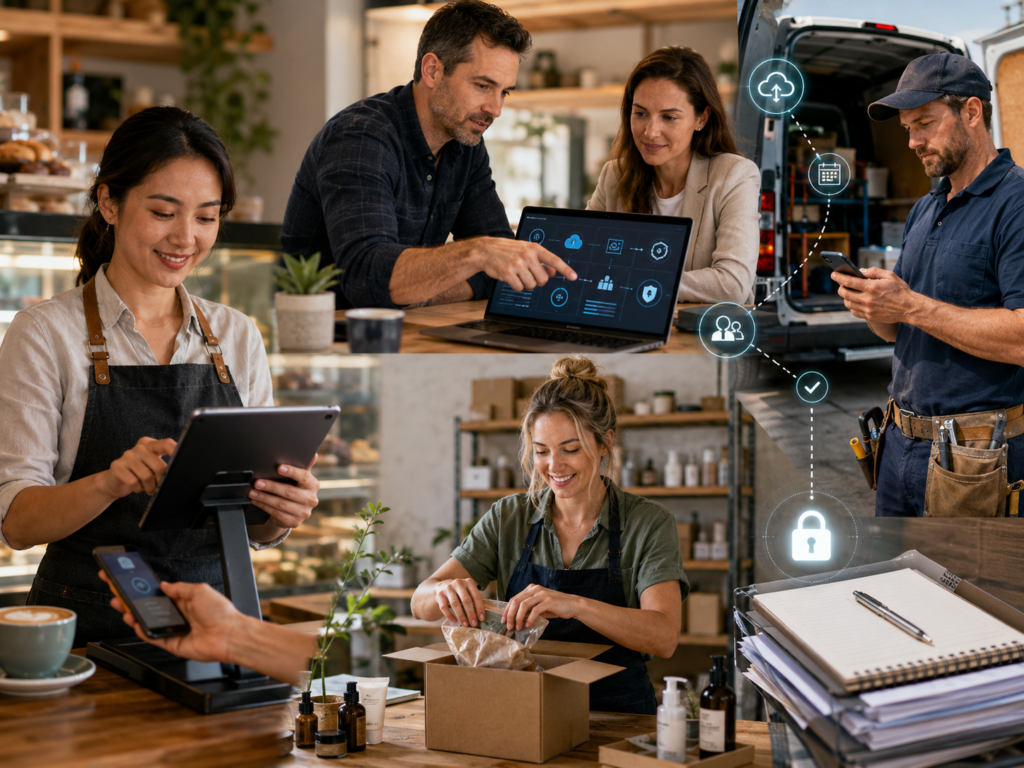
The New Digital Reality for Australian SMEs
For Australian SMEs, 2026 is shaping up as a year where digital capability becomes a direct measure of competitiveness. The pressure is coming from several directions at once: customers want instant responses, suppliers are moving online, tax and compliance processes are becoming more digital, and competitors are using automation to operate with lower costs.
This shift creates two layers of opportunity. First, SMEs can use technology to improve their own productivity. Second, technology-focused SMEs can sell digital services to other small businesses that are still catching up.
The Australian Bureau of Statistics provides regularly updated business and technology data through its “Characteristics of Australian Business” release: https://www.abs.gov.au/statistics/industry/technology-and-innovation/characteristics-australian-business/latest-release. For publishers and business owners, this is a useful source to monitor how Australian companies are adopting innovation, data tools, and digital systems.
Cloud-Based Services Are Becoming Essential
From Paperwork to Platform-Based Operations
One of the clearest opportunities is cloud software adoption. Many SMEs still lose time to manual scheduling, invoice tracking, stock management, and customer follow-up. Cloud platforms allow owners to manage operations from one dashboard, often with lower upfront costs than traditional software.
Businesses that help SMEs select, integrate, and train staff on cloud tools can build strong recurring revenue. Demand is especially visible among trades, healthcare providers, accountants, retail shops, hospitality operators, logistics firms, and professional services.
Integration Is the Real Pain Point
The opportunity is not simply selling software. Most SMEs already know software exists. Their problem is that systems do not always talk to each other. A retailer may use one platform for inventory, another for online sales, another for accounting, and another for email marketing.
This creates demand for integration specialists who can connect platforms, clean data, automate workflows, and build simple reporting dashboards.
AI as a Service for Everyday Business Problems
Artificial intelligence is moving from hype to practical use. In 2026, SMEs are likely to spend money on AI when it solves specific problems: answering customer questions, drafting quotes, analysing sales trends, managing appointments, or personalising marketing campaigns.
A strong business model is offering “AI implementation packages” for specific industries. For example, an agency could build AI customer support systems for clinics, automated lead response tools for real estate agents, or content planning workflows for tourism operators.
Cybersecurity Is Becoming a Boardroom Issue for Small Firms
As SMEs rely more on online platforms, cybersecurity becomes unavoidable. Attacks do not only target large corporations. Small firms are often attractive because they have fewer protections and limited internal IT resources.
Services such as cyber health checks, phishing simulations, secure backup setup, access control, and staff awareness training can become profitable niches. The most successful providers will simplify the message and price packages clearly.
Real Context: The Small Business Owner’s Time Problem
A typical Australian SME owner may act as manager, salesperson, finance controller, marketer, and customer support lead. Technology that saves time has immediate value. That is why automation, cloud dashboards, and AI assistants are not luxury products in 2026. They are tools that help owners recover hours and protect margins.
What Makes the Opportunity Strong
The winning formula is practical, affordable, and measurable. SMEs will invest in technology when it increases sales, reduces admin, prevents risk, or improves customer experience. In Australia’s 2026 market, the strongest opportunities will go to businesses that translate complex technology into simple commercial outcomes.