The Green Spine: How Australia’s Infrastructure Pipeline is Reshaping Regional Economies
The Australian construction sector is currently undergoing a significant geographic shift. While metropolitan skylines in Sydney and Melbourne continue to evolve, the most profound economic transformations are occurring in regional corridors. Driven by a massive pipeline of public infrastructure and renewable energy zones, construction companies are moving heavy machinery and skilled labor into areas previously overlooked by major developers. This migration is not just about building roads; it is about rebuilding the economic fabric of regional communities.
The Energy Transition as a Construction Catalyst
A primary driver of this regional boom is the national transition toward renewable energy. The construction of Solar Farms, Wind Turbine installations, and high-voltage transmission lines requires vast tracts of land, predominantly located outside urban centers. Companies specializing in heavy civil engineering and electrical infrastructure are seeing order books swell. These projects require not only traditional building expertise but also specialized skills in geotechnical engineering and environmental management.
The logistical challenges of these remote projects are immense. Construction firms must establish temporary camps, manage water resources, and navigate complex biodiversity regulations. This has led to a surge in demand for project managers who can handle logistics in remote terrains, pushing up wages and attracting talent from overseas to fill the skills gap.
Upgrading the Freight Network
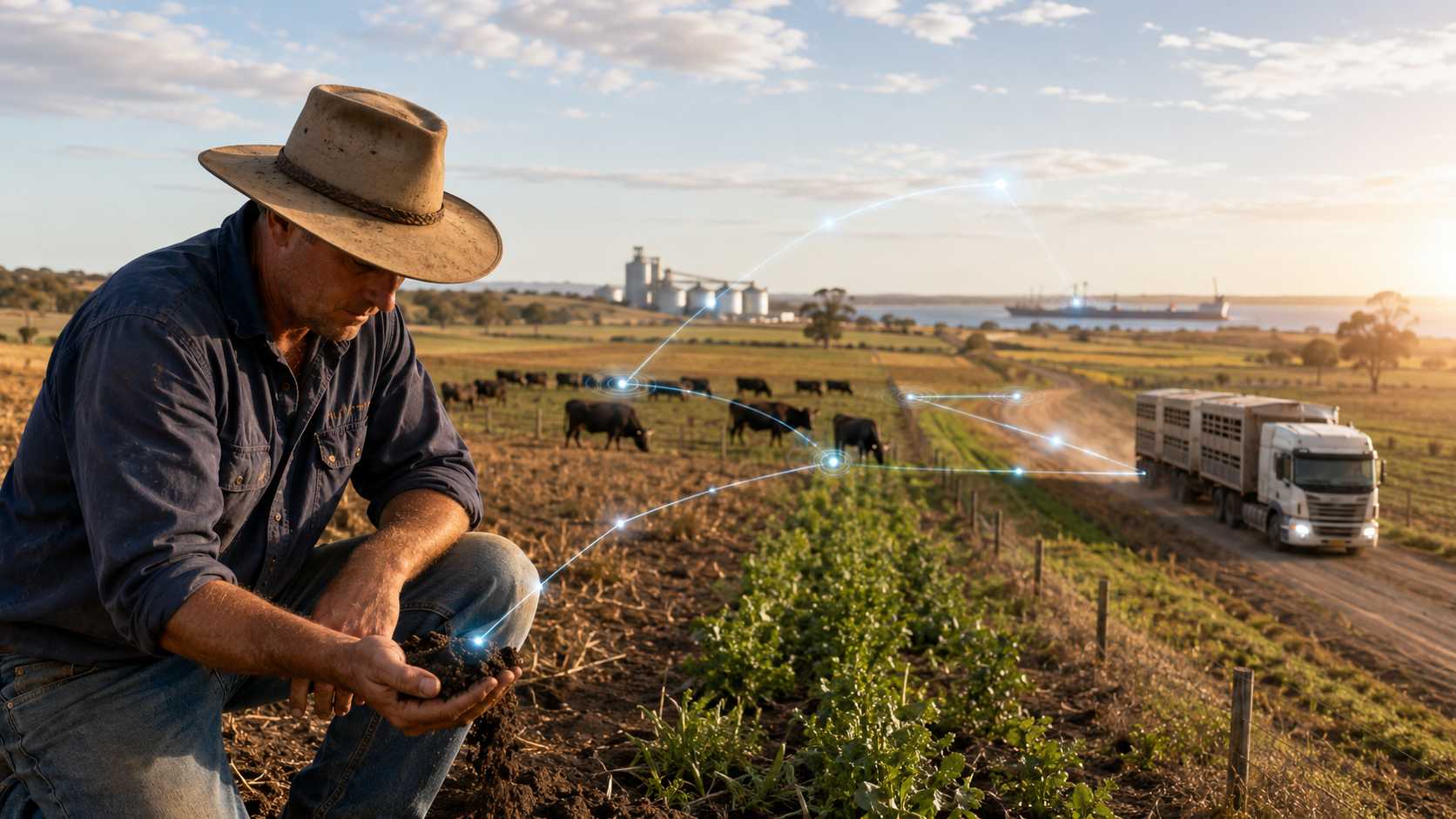
Beyond energy, the Federal and State governments are investing heavily in regional freight highways. Projects like the Inland Rail and various highway duplication projects are designed to streamline logistics between major ports and agricultural hubs. For construction companies, these are multi-year contracts that provide financial stability.
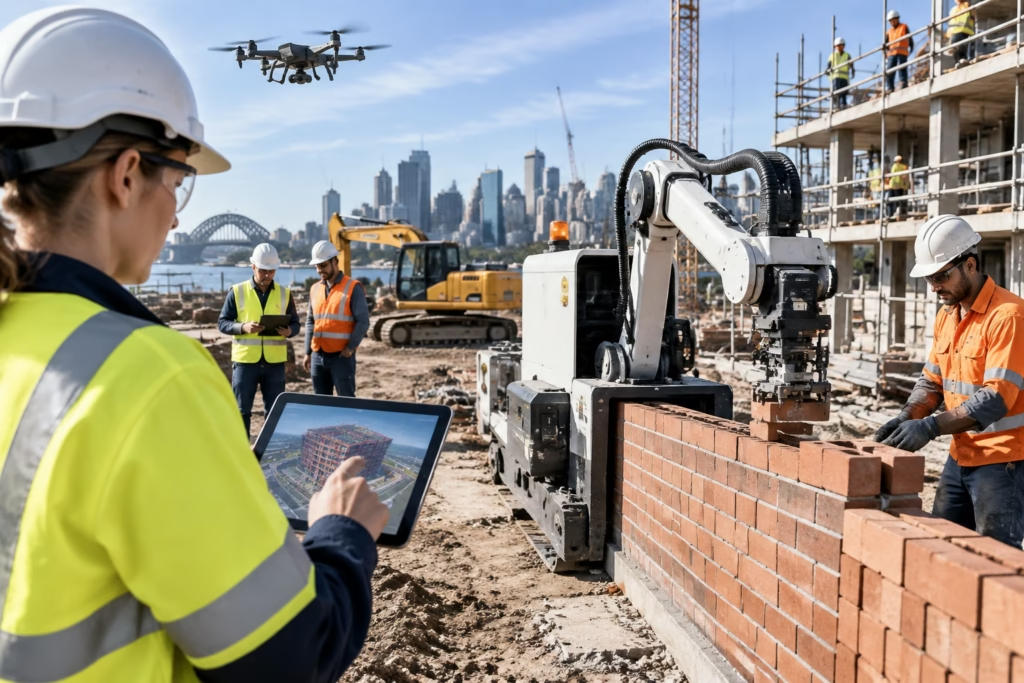
However, the scope of these projects often exceeds the capacity of local subcontractors. This forces larger Tier 1 construction firms to form joint ventures with local entities to satisfy local content requirements. This dynamic is creating a knowledge transfer effect, where advanced digital construction techniques—such as GPS-guided earthworks and drone surveying—are being introduced to regional workforces. According to Infrastructure Australia’s 2026 market capacity report, the demand for earthmoving equipment in regional zones has outpaced urban demand for the first time in a decade (Infrastructure Australia Market Capacity Report).
Housing and Amenities Follow Infrastructure
Once a major project is announced, a secondary wave of construction follows. Workers need housing, retail outlets, and medical facilities. Construction companies that traditionally focused on high-rise residential are pivoting to modular housing solutions for mining and infrastructure towns. This prefabrication approach allows for rapid deployment of durable housing without the lengthy timelines associated with traditional brick-and-mortar builds. The synergy between civil infrastructure and residential building is creating a holistic boom that is reshaping the demographic map of the nation.