Property Companies in Australia: Market Trends and Housing Development
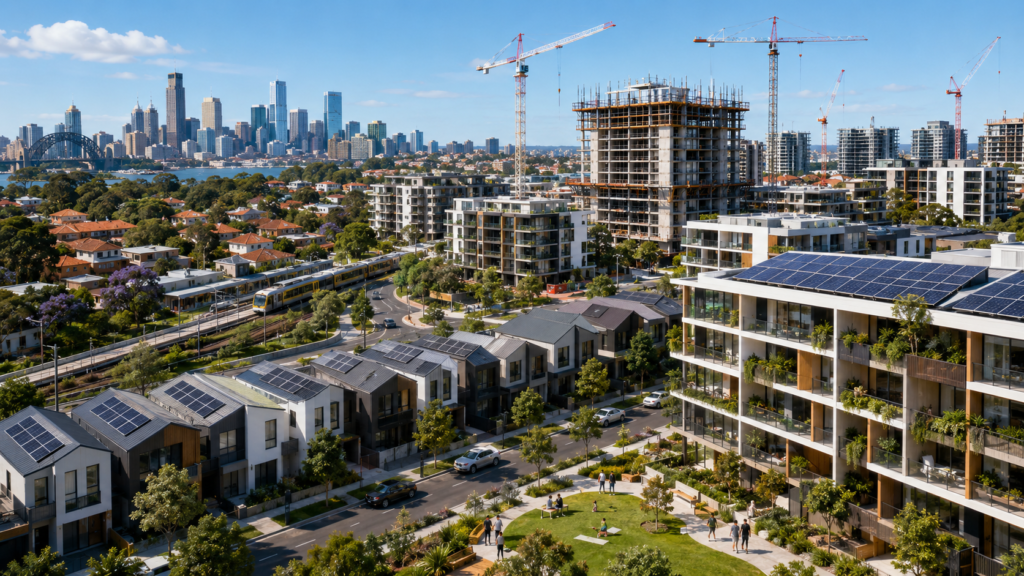
Australia’s property sector has become one of the most closely watched areas of the national economy. Property companies in Australia operate across residential, commercial, industrial, retail, and mixed-use developments, but housing remains one of the most important segments. In recent years, developers, real estate investment groups, and construction firms have had to respond to changing buyer behavior, population growth, affordability concerns, rising construction costs, and shifting government policies. These factors have reshaped how housing projects are planned, marketed, and delivered.
One of the strongest forces affecting Australian property companies is demand for housing in major cities such as Sydney, Melbourne, Brisbane, Perth, and Adelaide. Population growth, internal migration, and overseas migration have increased pressure on housing supply, especially in areas with strong employment opportunities and transport links. Many buyers and renters are looking for homes close to schools, public transport, hospitals, shopping centers, and lifestyle amenities. As a result, developers are focusing more on well-connected suburbs, urban renewal zones, and master-planned communities.
Affordability remains a major issue in the Australian housing market. High land prices, planning delays, labor shortages, material costs, and interest rate movements have made it harder for many households to enter the market. Property companies must balance buyer affordability with project profitability. This has encouraged more interest in medium-density housing, townhouses, apartments, and smaller-lot homes. These housing types allow developers to deliver more dwellings on limited land while offering buyers options below the price of detached houses in inner and middle-ring suburbs.
Another important trend is the rise of build-to-rent projects. Traditionally, Australian housing has been focused on individual home ownership and private landlords. However, larger property groups and institutional investors are increasingly exploring rental communities designed for long-term tenants. Build-to-rent developments often include shared amenities such as gyms, co-working spaces, lounges, gardens, and professional property management. This model is attractive in cities where rental demand is strong and vacancy rates are tight.
Sustainability is also becoming central to housing development. Australian property companies are under greater pressure to design energy-efficient buildings, reduce emissions, use sustainable materials, and improve water management. Buyers and renters are becoming more aware of energy bills, climate resilience, and environmental impact. Developers are responding with solar-ready homes, better insulation, efficient appliances, green spaces, and designs that improve natural ventilation and lighting.
Technology is influencing the way property companies plan and sell developments. Digital property tours, data-driven site selection, building information modelling, and smart home features are becoming more common. Developers are using market data to understand what buyers want, while construction firms are exploring prefabrication and modular methods to reduce delays and improve efficiency.
The future of property companies in Australia will depend on their ability to adapt. Companies that can deliver well-located, affordable, sustainable, and flexible housing are likely to remain competitive. The market is complex, but demand for quality housing continues to create opportunities for developers that understand demographic change, lifestyle needs, and long-term urban growth.