The $1.6 Billion Question: What Australia’s Card Surcharge Ban Really Means for Your Wallet

The End of the Checkout Surprise
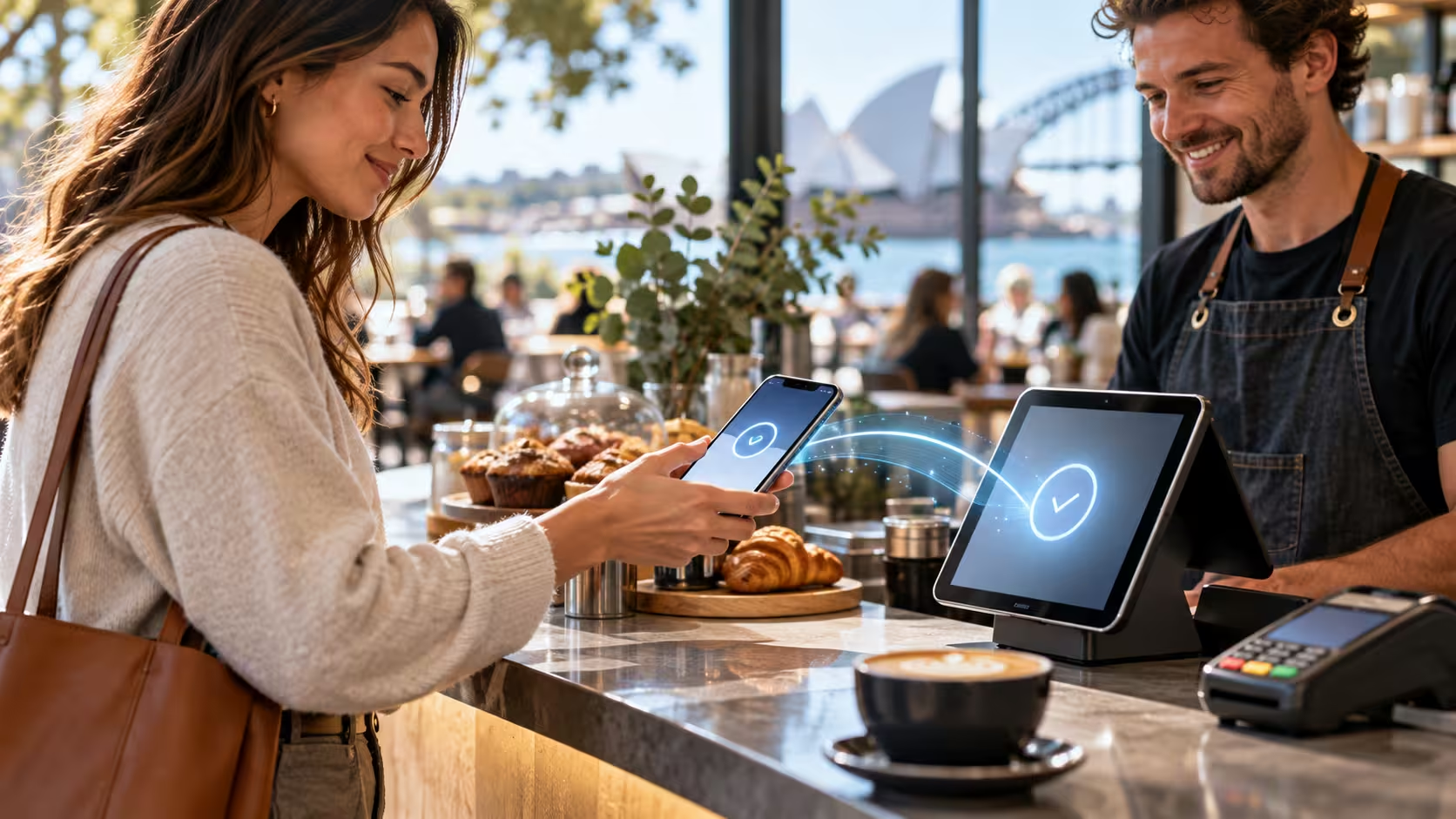
For years, Australian shoppers played a quiet game of mental arithmetic at the register: squint at the terminal, guess the surcharge, and brace for a total that never quite matched the shelf price. That game is now over. Since 1 October 2026, businesses across the country can no longer slap a surcharge on Visa, Mastercard, eftpos, or American Express transactions. The Reserve Bank of Australia (RBA) estimates the move will save consumers roughly A$1.6 billion annually—a figure that sounds like a windfall on paper.
But the real-world picture is messier, and far more interesting.
Where the Savings Actually Land
The headline number is seductive, yet the mechanics of how that $1.6 billion reaches household budgets are uneven. Some businesses have absorbed the cost entirely, effectively giving customers a small but immediate discount. Others have quietly folded the merchant fee into their baseline prices, meaning the “saving” evaporates before the first coffee of the day is poured. Fresh data from ordering platform Hey You and Westpac DataX found that while the average price of a regular coffee rose by just 3 to 4 cents after the ban, one in ten cafés pushed prices up by around 35 cents.
That divergence tells a story about competitive pressure. In a crowded café strip, absorbing the fee is a survival tactic. In a captive market—say, a regional bakery or a single grocery option—the cost simply migrates to the price tag.
The Psychology of a Cleaner Price
What the ban has undeniably delivered is psychological relief. The RBA’s own review concluded that surcharging had become “increasingly complex for businesses and customers,” largely because card payments now dominate everyday spending and consumers have little practical way to avoid the fee. A price that says $10 and actually costs $10 is not just convenient; it restores a basic sense of fairness at the point of sale. For budget-conscious households, that predictability matters as much as the dollar figure itself.
The Cash Discount Loophole
One of the most underreported consequences is the quiet revival of cash incentives. The Australian Competition and Consumer Commission (ACCC) has confirmed that businesses can legally offer discounts to customers who pay with cash, provided the displayed price reflects the full non-discounted amount. Some retailers have seized on this, framing cash as a way to avoid card infrastructure costs altogether. For consumers who still carry notes, this creates a two-tier pricing reality that the surcharge ban was, in theory, meant to eliminate.
What to Watch Next
The savings are real, but they are not automatic. They depend on where you shop, what you buy, and whether your local merchant chooses transparency over margin protection. The RBA’s reforms are a structural shift, not a magic bullet—and the next twelve months will reveal whether the $1.6 billion materialises in household bank accounts or disappears into the complex plumbing of Australian retail pricing.