The Credit Sector in Australia: Understanding Consumer Financing and Mortgages
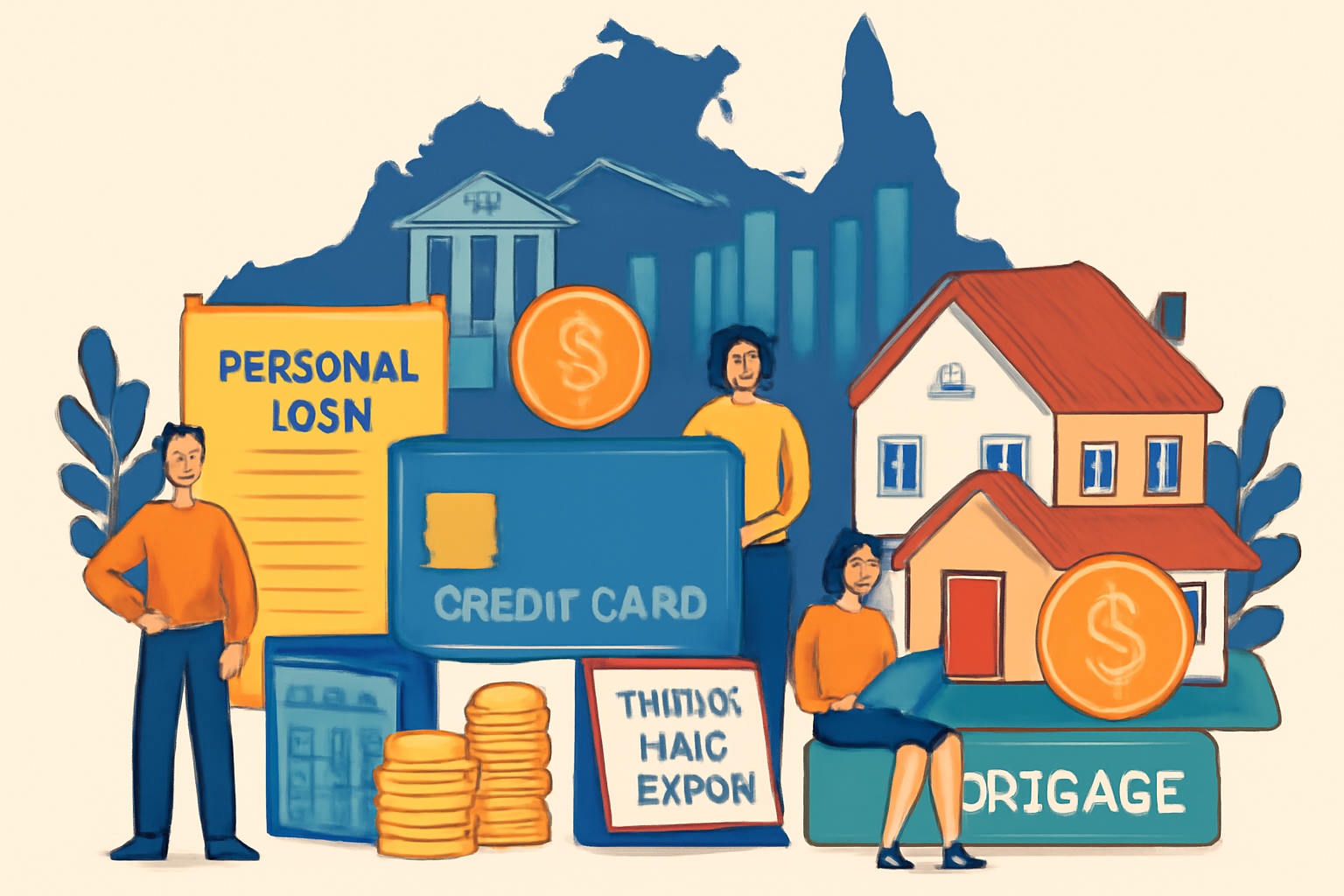
The credit sector in Australia plays a vital role in the country’s economy, offering consumers access to financial products ranging from personal loans to mortgages. Consumer financing, which includes personal loans, credit cards, and buy-now-pay-later services, is designed to help individuals meet their immediate financial needs, while mortgages are specifically tailored to assist with home purchases.
Consumer Financing in Australia
Consumer financing in Australia is a broad category that encompasses various forms of borrowing. Among the most common forms are personal loans, credit cards, and lines of credit. Personal loans are typically unsecured loans that are used for a range of purposes such as consolidating debt, purchasing goods, or covering emergency expenses. These loans generally come with fixed interest rates and a set repayment period, offering consumers a structured way to repay.
Credit cards are another form of consumer finance, providing individuals with short-term borrowing options. They are widely used for everyday purchases, but they come with higher interest rates if the balance is not paid off in full. With the increasing popularity of digital transactions, the use of credit cards in Australia has surged, leading to a rise in consumer debt.
A relatively new innovation in consumer finance is the buy-now-pay-later (BNPL) service, offered by companies like Afterpay and Klarna. This service allows consumers to purchase goods and services upfront and pay for them in installments over time. BNPL has gained significant traction, especially among younger consumers, and has created a shift in the way people approach purchasing goods.
The Mortgage Sector
In addition to consumer financing, the mortgage sector is one of the largest components of the Australian credit market. Mortgages in Australia are typically used for purchasing homes, and the process involves borrowing money from a bank or other financial institution in exchange for a property as collateral. Homeownership is highly valued in Australian culture, and mortgages are seen as an essential tool for helping individuals achieve this goal.
Australian mortgages come in two main types: fixed-rate and variable-rate loans. Fixed-rate loans offer borrowers a stable interest rate over the term of the loan, making it easier to budget for monthly repayments. On the other hand, variable-rate loans have interest rates that can fluctuate with market conditions, which may result in lower repayments when interest rates are low, but higher repayments when rates increase.
In recent years, the mortgage market in Australia has become more competitive, with many lenders offering various products to attract customers. There has been an increasing trend towards first-time homebuyer assistance programs, which aim to make homeownership more accessible. These programs often provide financial support such as grants or reduced deposit requirements to help first-time buyers enter the housing market.
Regulatory Framework
The credit sector in Australia is heavily regulated to protect consumers and maintain the stability of the financial system. The Australian Securities and Investments Commission (ASIC) is responsible for overseeing consumer finance products, ensuring that lenders provide clear and transparent information about loan terms and conditions. Additionally, the Australian Prudential Regulation Authority (APRA) regulates financial institutions to ensure they adhere to strict prudential standards.
In recent years, the government has introduced various measures to improve consumer protection in the credit sector. For instance, stricter rules have been put in place to regulate payday lending and BNPL services. These measures aim to ensure that consumers are not subject to predatory lending practices and that they are fully informed before committing to financial products.
The Future of Credit in Australia
The future of the credit sector in Australia looks promising, with ongoing innovations and regulatory reforms shaping the landscape. Technology is expected to play a significant role in transforming the way Australians access credit, with digital lending platforms and fintech solutions becoming more prevalent. These platforms are providing consumers with faster and more convenient ways to access loans, particularly for smaller amounts.
At the same time, the Australian government is likely to continue strengthening consumer protections in the credit sector to address emerging challenges, such as the rise of BNPL services and the increasing levels of household debt. Striking the right balance between innovation and regulation will be crucial in ensuring that the credit sector remains sustainable and beneficial for consumers.