How Australia’s Small Businesses Are Adapting to the Rapid Growth of Digital Payments in 2026
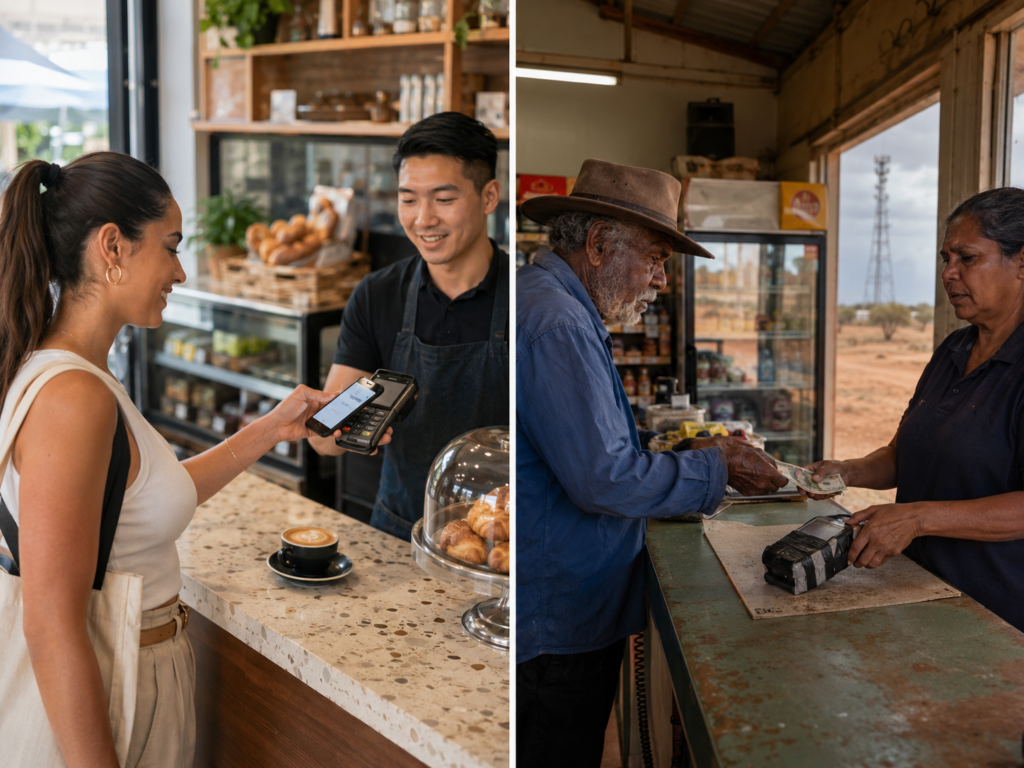
The Payment Experience Is Becoming Part of Customer Service
For Australian small businesses, the rise of digital payment applications in 2026 is changing far more than the checkout counter. Payment speed, transaction costs and ease of use are increasingly connected to customer satisfaction and business efficiency.
A decade ago, accepting electronic payments could require a conventional terminal and a relatively simple choice between cash and cards. Today, merchants face a wider payment environment that includes mobile wallets, banking applications, QR-based services and account-to-account transactions.
Customers increasingly expect businesses to accommodate the payment method already available on their phones.
This change reflects a broader decline in cash use. The Reserve Bank of Australia’s research showed that cash represented 13 per cent of consumer payments in 2022, compared with 27 per cent in 2019.
The underlying data and analysis are available from the Reserve Bank of Australia.
For businesses operating in 2026, the practical message is clear: digital payment capability is becoming basic commercial infrastructure.
Faster Payments Can Improve Cash-Flow Visibility
A major attraction of modern payment technology is not simply speed at the point of sale. It is the ability to connect transactions with the rest of the business.
A café owner, tradesperson or independent retailer may now use digital payment records to support bookkeeping, invoicing and daily sales analysis. A more connected payment system can reduce manual reconciliation and provide faster visibility over revenue.
Small Merchants Gain Access to Simpler Technology
Payment acceptance is also becoming more accessible.
Compact card readers and software-based solutions have allowed smaller businesses to accept electronic transactions without the same physical infrastructure traditionally associated with large retailers. This is particularly significant for mobile businesses, market vendors and independent service providers.
Imagine a self-employed tradesperson completing a job at a customer’s home. Instead of sending an invoice and waiting several days, the business can provide a digital payment option immediately. The transaction is recorded, the customer receives confirmation and the owner has a clearer view of expected cash flow.
That experience illustrates why payment applications are becoming operational tools, not merely checkout accessories.
Merchant Costs Remain a Major Pressure Point
The shift toward digital payments creates new challenges.
Every payment method can involve different costs, settlement conditions and contractual arrangements. For a high-volume retailer, a small difference in transaction expense may become significant over thousands of purchases.
Small businesses therefore face an increasingly important question: which payment methods offer the best balance between customer convenience and commercial cost?
The answer may encourage greater interest in account-to-account payment systems, particularly where newer services can provide businesses with alternatives to traditional card-based transactions.
Businesses also need to present fees transparently. A confusing surcharge or an unexpected charge at checkout can damage trust, even when the amount is relatively small.
Payment Data Creates New Business Opportunities
Digital transactions can also reveal valuable patterns.
A restaurant may identify its busiest hours. A retailer may discover how often customers return. A service business may use transaction history to understand seasonal demand.
When payment information is responsibly connected with customer relationship, loyalty and inventory systems, businesses can make faster decisions.
However, more data creates greater responsibility. Merchants must take cybersecurity, privacy and staff access controls seriously.
The small businesses likely to benefit most from Australia’s digital payment growth in 2026 are not necessarily those adopting every new technology. They are the businesses selecting payment tools that solve specific problems: faster checkout, improved cash-flow visibility, simpler administration and stronger customer experiences.