Social Organizations in Australia: How They Address Social and Environmental Issues in 2026
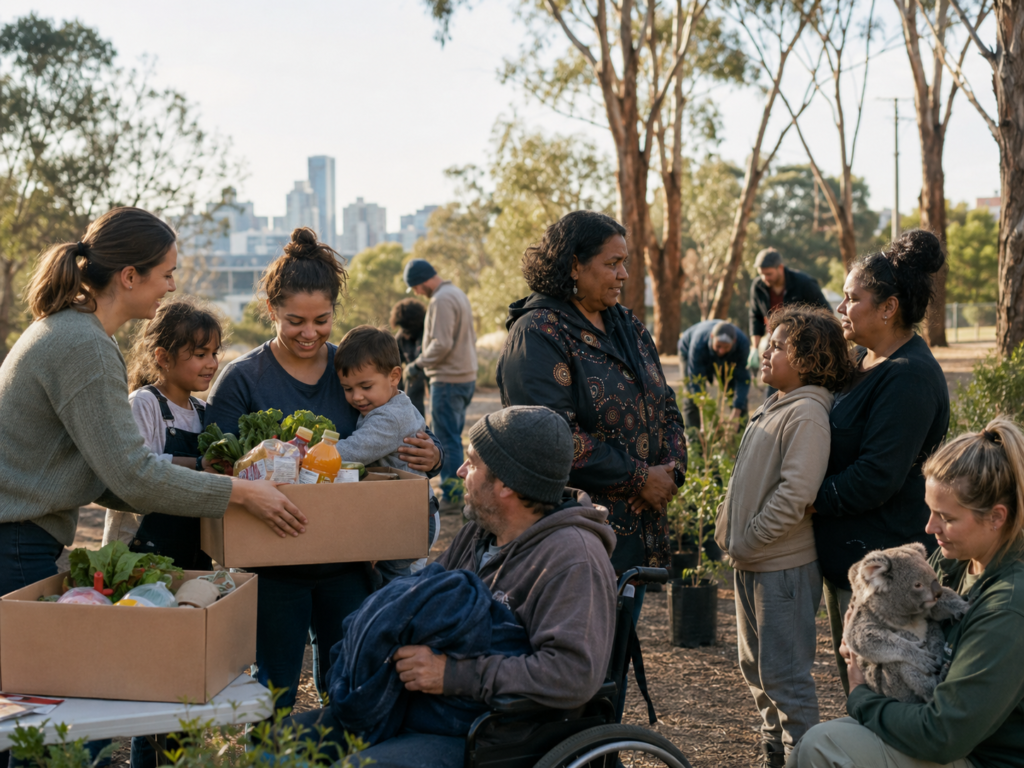
Social organizations in Australia play a bigger role than many people realise. They are not only charities that collect donations or run occasional campaigns. In many communities, they are the practical bridge between people who need support, local volunteers, government services, businesses, and environmental programs.
In 2026, social and environmental issues are increasingly connected. A family dealing with housing stress may also face higher energy bills during extreme heat. A regional town recovering from floods may need mental health support, emergency relief, and long-term climate adaptation. A young person looking for volunteer work may want to support both community wellbeing and sustainability.
This guide explains how social organizations in Australia respond to these challenges, how to identify credible groups, and how everyday people can support them in a meaningful way.
Why Social Organizations Matter in Australia
Social organizations help fill the space between formal public services and everyday community needs. They may provide food relief, youth mentoring, homelessness support, disability inclusion, migrant assistance, disaster recovery, environmental education, conservation projects, or local advocacy.
In Australia, many registered charities and not-for-profit organizations can be checked through the Australian Charities and Not-for-profits Commission, also known as the ACNC. Before donating or partnering with an organization, readers can search the official ACNC Charity Register here: https://www.acnc.gov.au/charity/charities.
What makes these organizations important is not only their service delivery, but their local knowledge. A national report may show a broad problem, but a community organization often understands the street-level reality: which families are skipping meals, which neighbourhoods lack shade, which elderly residents are isolated, or which young people need safe after-school spaces.
For example, imagine a suburban community group in Western Sydney running a weekly food pantry. On paper, it is a food relief program. In practice, it may also connect people with rental support, energy-saving advice, mental health referrals, and volunteering opportunities. This is why the best social organizations often work across both social and environmental issues instead of treating them as separate problems.
Key Social and Environmental Issues They Address
Australia’s social organizations respond to a wide range of community needs, but several issues are especially relevant in 2026.
One major area is cost-of-living pressure and housing insecurity. When rent, groceries, energy, and transport costs rise, many households become more vulnerable. Social organizations may help through emergency relief, community meals, financial counselling referrals, housing support, and practical assistance. For broader context on welfare and social conditions, the Australian Institute of Health and Welfare provides useful public data: https://www.aihw.gov.au/reports/australias-welfare.
Another important issue is homelessness and temporary housing stress. Organizations working in this space often do more than provide beds. They may support people with case management, domestic violence referrals, job readiness, legal pathways, or mental health services. Readers who want to understand national homelessness service trends can review AIHW resources here: https://www.aihw.gov.au/reports/homelessness-services.
Environmental pressure is also shaping community life. Heatwaves, bushfires, floods, biodiversity loss, waste, and energy transition challenges affect people differently depending on income, location, health, housing quality, and social support. The Australian Government’s State of the Environment reporting is a useful starting point for understanding these pressures: https://soe.dcceew.gov.au.
This is where social and environmental issues overlap. A heatwave is not just a weather event. It can become a health issue for elderly people living alone, a workplace issue for outdoor workers, a housing issue for renters without insulation, and a financial issue for households afraid to use air conditioning because of energy bills.
Social organizations can respond by creating cooling-centre partnerships, checking on vulnerable residents, distributing emergency information in multiple languages, planting urban trees, supporting disaster preparedness, or helping households access energy-efficiency programs.
A third area is community inclusion. Migrants, refugees, First Nations communities, people with disability, young people, older adults, and people living in regional areas may experience barriers that are not always visible. Strong organizations do not assume what communities need. They consult, listen, co-design programs, and work with local leaders.
For volunteering and civic participation, Volunteering Australia is a helpful national reference: https://www.volunteeringaustralia.org.
How to Identify a Trustworthy Organization
Not every organization with a good message has strong governance or measurable impact. A trustworthy social organization should be easy to check, transparent about its work, and realistic about what it can achieve.
Start with registration. If an organization claims to be a charity in Australia, check whether it appears on the ACNC Charity Register. Registration does not automatically prove quality, but it is a useful first filter because it shows whether the organization is formally recognised and reporting under charity regulations.
Next, look at its mission. A credible organization can explain who it helps, what problem it addresses, where it operates, and how its programs work. Be careful with vague language such as “changing lives everywhere” if there is no evidence, program detail, or annual reporting behind it.
Also review transparency. Good organizations usually publish annual reports, financial summaries, impact stories, board or leadership information, and clear donation pathways. They should explain how funds are used without making unrealistic promises.
A practical checklist:
- Can you find the organization on the ACNC Charity Register?
- Does the website clearly explain its programs and target communities?
- Are annual reports, financial summaries, or impact updates available?
- Does it work with local partners, councils, schools, health services, or community leaders?
- Are volunteer roles clear, safe, and properly supervised?
- Does it avoid exaggerated claims or guilt-based fundraising?
- Does it respect the dignity of the people it supports?
The best organizations often sound grounded rather than dramatic. They do not promise to “solve poverty overnight” or “save the planet alone.” Instead, they show steady work: meals delivered, trees planted, families referred to services, young people mentored, volunteers trained, or neighbourhoods made safer during emergencies.
Practical Ways to Support Social Organizations
Supporting social organizations does not always mean making a large donation. In many cases, consistent small actions are more useful than one-off enthusiasm.
The first step is to choose an issue that genuinely matters to you. It may be homelessness, climate resilience, youth education, domestic violence prevention, food relief, animal welfare, biodiversity, migrant support, or disability inclusion. When your reason is personal, you are more likely to stay involved.
The second step is to match your support with your capacity. A busy office worker may not be able to volunteer every week, but they might contribute professional skills such as writing, design, bookkeeping, mentoring, translation, social media, event planning, or grant research. A university student may have limited money but more flexible time. A young family may prefer weekend community clean-ups or donation drives.
The third step is to start local. Local organizations often have a direct view of what is happening in the community. Supporting a neighbourhood food bank, community garden, youth centre, conservation group, or multicultural support service can create visible impact close to home.
The fourth step is to think beyond donations. You can help by sharing credible information, attending local forums, joining community consultations, reducing waste, supporting ethical businesses, or encouraging your workplace to partner with a reputable organization.
For example, a small workplace team could support a local homelessness service by running a winter clothing drive. But a stronger version would be to contact the service first and ask what items are actually needed. This prevents waste and respects the organization’s real priorities.
Common Mistakes People Make
A common mistake is choosing an organization only because of emotional marketing. Powerful stories can raise awareness, but they should be backed by transparency, clear programs, and responsible communication.
Another mistake is donating items without checking first. Many organizations receive goods they cannot use, such as damaged clothing, expired food, or items that cost more to sort than they are worth. Asking before donating is more helpful than assuming.
Some people also focus only on big national names. Large organizations can do important work, but smaller local groups may be closer to the issue. A balanced approach is often best: support credible national organizations for scale and local groups for community-specific impact.
Volunteers sometimes overcommit. Good intentions can turn into burnout if you say yes to too much. It is better to offer two reliable hours a month than promise weekly support and disappear after one visit.
Another mistake is treating social and environmental issues as separate. In reality, environmental stress often affects vulnerable communities first. A practical approach considers both human wellbeing and ecological resilience.
Practical Tips Before You Donate, Volunteer, or Partner
Before donating, decide whether you want to support urgent relief or long-term change. Emergency relief may help people immediately, while long-term programs may address root causes such as education, housing stability, climate adaptation, or community resilience. Both matter, but they work differently.
Before volunteering, ask about training, insurance, child safety policies if relevant, supervision, and expected time commitment. A professional organization should be able to explain these clearly.
Before starting a workplace partnership, ask the organization what support is genuinely useful. Some may need funds, while others need skilled volunteers, transport support, storage space, digital help, or event promotion.
Before sharing information online, check the source. Social issues and environmental topics can attract misinformation. Government agencies, universities, established research institutes, and registered organizations are usually better references than viral posts.
Most importantly, think in terms of relationship, not rescue. Communities do not need outsiders arriving with assumptions. They need respectful support, listening, consistency, and practical contribution.
FAQ
What are social organizations in Australia?
Social organizations in Australia are charities, not-for-profits, community groups, advocacy bodies, and volunteer-led initiatives that work to improve social wellbeing, community resilience, inclusion, and sometimes environmental outcomes.
How do social organizations help with environmental issues?
They may support tree planting, disaster recovery, waste reduction, climate education, community gardens, biodiversity projects, energy-efficiency awareness, and emergency preparedness, especially for vulnerable communities.
How can I check if an Australian charity is legitimate?
You can search the ACNC Charity Register at https://www.acnc.gov.au/charity/charities. You should also review annual reports, financial information, program details, and public impact updates.
Is donating money better than donating goods?
Often, money is more flexible because organizations can buy exactly what is needed. However, goods can be helpful when the organization specifically requests them. Always check first.
Can students or young professionals volunteer with social organizations?
Yes. Many organizations need help with events, mentoring, research, administration, digital content, fundraising, and community programs. It is best to choose a role that matches your time, skills, and values.
Why are social and environmental issues connected?
Environmental pressures such as heatwaves, floods, and pollution often affect people with fewer resources more severely. Social organizations help communities respond in ways that protect both people and place.
Final Takeaway
Social organizations in Australia are essential because they turn broad social and environmental issues into practical community action. They help people navigate hardship, build local resilience, protect vulnerable groups, and create pathways for everyday citizens to contribute.
The most meaningful support starts with a simple habit: check credibility, listen to real community needs, and choose one practical action you can sustain.
FAQ
1. What are social organizations in Australia?
Social organizations are charities, not-for-profits, community groups, advocacy bodies, and volunteer initiatives that support social wellbeing, inclusion, resilience, and environmental action.
2. What social and environmental issues do they address?
They may address homelessness, food insecurity, cost-of-living stress, migrant support, youth programs, disaster recovery, climate resilience, waste reduction, and biodiversity protection.
3. How do I know if a social organization is trustworthy?
Check the ACNC Charity Register, review annual reports, look for transparent program details, and avoid organizations that make exaggerated claims without evidence.
4. Is it better to donate money, time, or goods?
It depends on the organization’s needs. Money is often flexible, time can be valuable, and goods are helpful only when specifically requested.
5. Can businesses support social organizations?
Yes. Businesses can offer funding, skilled volunteering, event support, workplace giving, sponsorship, logistics, or long-term partnerships.
6. Why should environmental issues be included in social work?
Because climate, housing, health, food security, and community safety often overlap. Environmental stress can increase social vulnerability.